Rewilding is the buffer we need now

A response to the Daily Mail from Rewilding Britain CEO, Rebecca Wrigley, addressing recent misinformation about rewilding and increased wildfire risk.
Blaming rewilding for wildfires (Daily Mail, 13 August 2026) is nonsense. Rewilding is one of the most hopeful solutions we have to tackling extreme weather conditions. Our survival depends upon a wilder Britain which will provide us with wetter land, cooler spaces, cleaner water and air, and a more resilient, safer place to live.
Rewilding is about restoring nature for the benefit of wildlife and people. It involves thoughtful and careful work by communities, land managers, charities, farmers and a great many others. People are at its heart – to make it happen and to benefit from it.
Drained moors, commercial timber plantations and artificially dry landscapes are the real tinderboxes across our countryside. Decades of damaging drainage have squeezed the land dry and an obsession with an unnaturally tidy countryside has created hyper-flammable monocultures. When severe drought hits, parched soil and dry peat turn into pure fuel, smouldering underground long after surface flames are put out.
That’s why it’s wrong and irresponsible to argue that a dried-out, sterile, nature-depleted landscape is somehow a safe one. It’s also wrong and irresponsible to fail to lay the blame for extreme weather on climate breakdown.
Meanwhile, it’s hard to light a soaked sponge. Rewilding puts the water back in.
Rewilding reduces wildfire risk and is key to ensuring the emergency rehydration of Britain.
- Water stops fire: Re-wetting peatlands re-saturates the land. In Wales’ Elan Valley this year, a massive wildfire hit a newly rewetted peatland and stopped dead in its tracks. The evidence is that restored ponds, rivers and floodplains, and healthy soils acting as natural sponges, all protect against extreme weather.
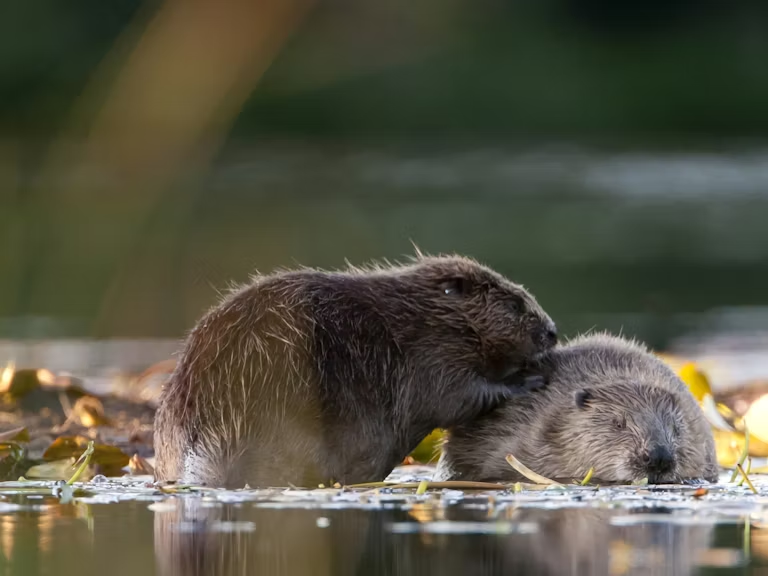
- Beavers build free infrastructure: Reintroduced beavers build wetland shields that hold 60% more open water during severe droughts, keeping the surrounding land lush, green, and un-ignitable.
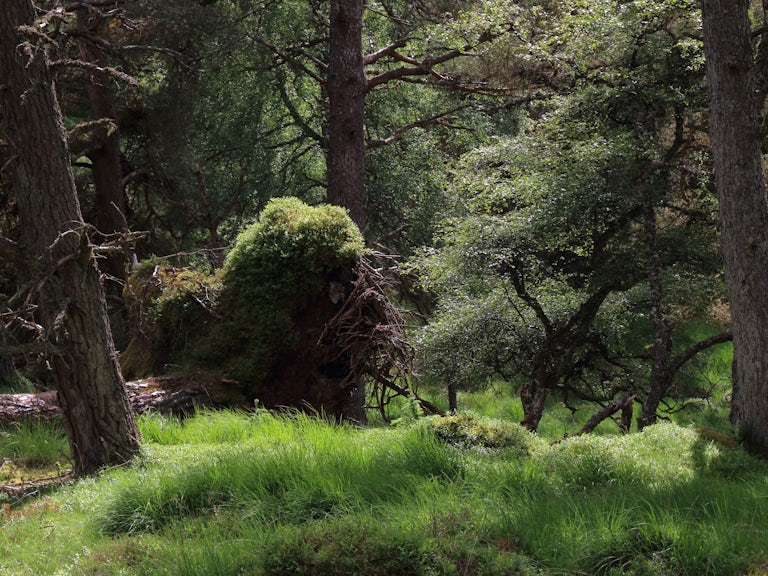
- Mixed habitats break fire lines: Replacing monoculture vegetation with wetlands, less-flammable native broadleaf trees, and naturally grazed glades cuts fire intensity by up to five times.
Neither is extreme weather just about wildfires. These rewilding approaches can help us tackle droughts and flooding, which are also hammering communities, homes, and livelihoods with increasing frequency.
Building a resilient Britain requires action and cooperation. With high fire-risk days set to double by 2050, we must move past finger-pointing. Instead of chasing flames from one fire season to the next, and seeking to blame others, we must unite land managers, policymakers and rural communities to protect and restore our landscapes.
The solution demands urgent government action: better public awareness to prevent ignitions, properly funded emergency services equipped for longer fire seasons, and policy support that enables landowners to restore natural hydrology.
Rewilding is key. By working with nature rather than against it, current and future generations can benefit from the climate buffers our country desperately needs, alongside a cascade of other important benefits, from jobs to health.
Rebecca Wrigley
Founder and Chief Executive, Rewilding Britain