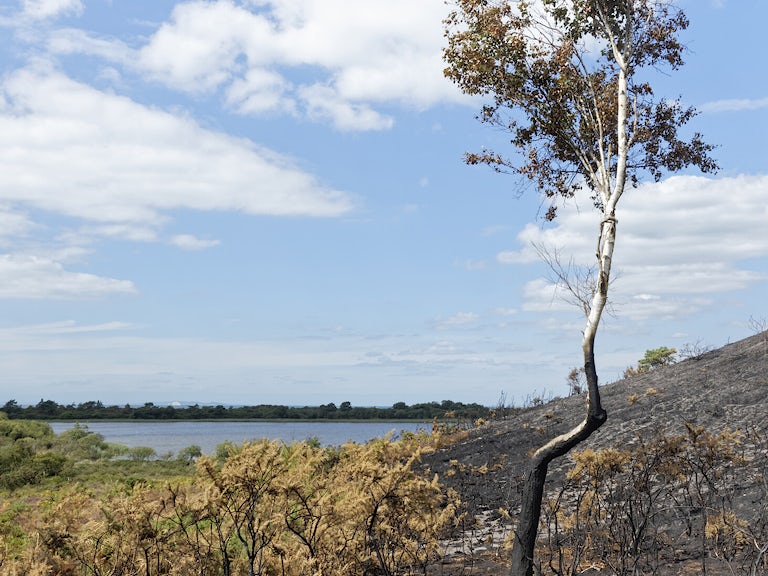
Statement on Britain's wildfires

Britain’s growing wildfire risk is being driven by climate breakdown and the degradation of our living systems — not by efforts to restore nature.
As prolonged heatwaves and rising global temperatures make Britain’s weather increasingly volatile, we are witnessing a dramatic escalation in wildfire activity both here and across Europe. Our hearts go out to all those who have responded on the ground: emergency services, conservation staff, farmers, other land managers and volunteers working to hold back the flames.
But as the smoke clears, the public debate over how to protect our countryside must be guided by evidence, not misinformation. Britain’s growing wildfire risk is being driven by climate breakdown and the degradation of our living systems — not by efforts to restore nature.
The harsh realities of our heating climate are now impossible to ignore. Consecutive heatwaves and record-breaking temperatures mean fires ignite faster, burn hotter and are harder to control. By 2050, the average summer will be hotter and have less rainfall, with high fire risk days anticipated to double compared to the late 20th century average.
The majority of wildfires are caused by human activity — from disposable barbecues and discarded glass, to unguarded campfires. Preventing this requires increased public awareness to help people understand how to use and enjoy dry, vulnerable landscapes responsibly. Investment to ensure our emergency services and land managers have the equipment, training, and rapid-response capabilities they need is also essential.
And yet, while preventing and fighting fires on the front lines is crucial, true resilience requires investing in the natural systems that protect us before a spark ever lands. Far from increasing risk, well-managed rewilding creates multi-layered defenses across our countryside.
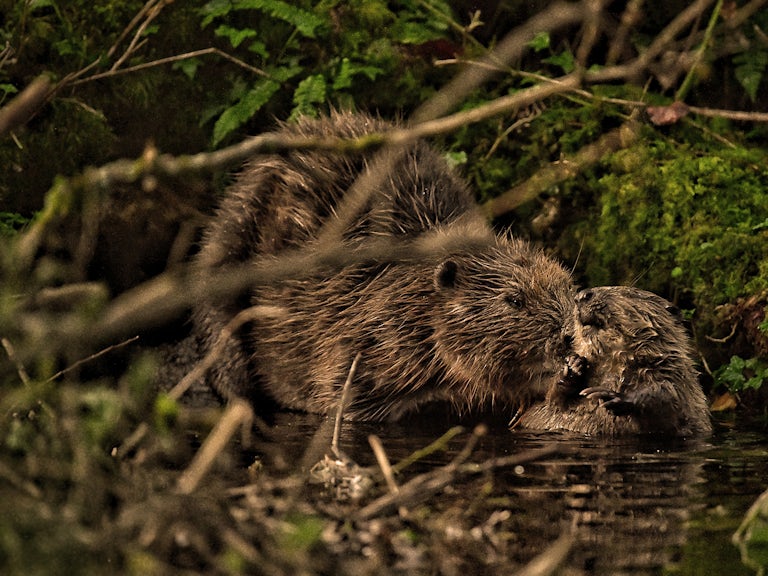
Healthy peatlands and beaver wetlands act as living, moisture-rich shields against fire. By restoring a rich mosaic of native woodlands, free flowing river systems, and wetlands we allow our soils to soak up water and create natural firebreaks that slow the spread of flames.
This shouldn’t be about finger-pointing. The path forward is about coming together to make informed decisions about our long-term resilience: preventing fires through public awareness, resourcing our fire and rescue services, and letting a restored, vibrant landscape help keep us all safe.
Take action
We’re demanding urgent action: the UK Government must back rewilding as a vital climate change solution.